Poker Mistakes That Reduce Table Control
2 August 2026 | 310
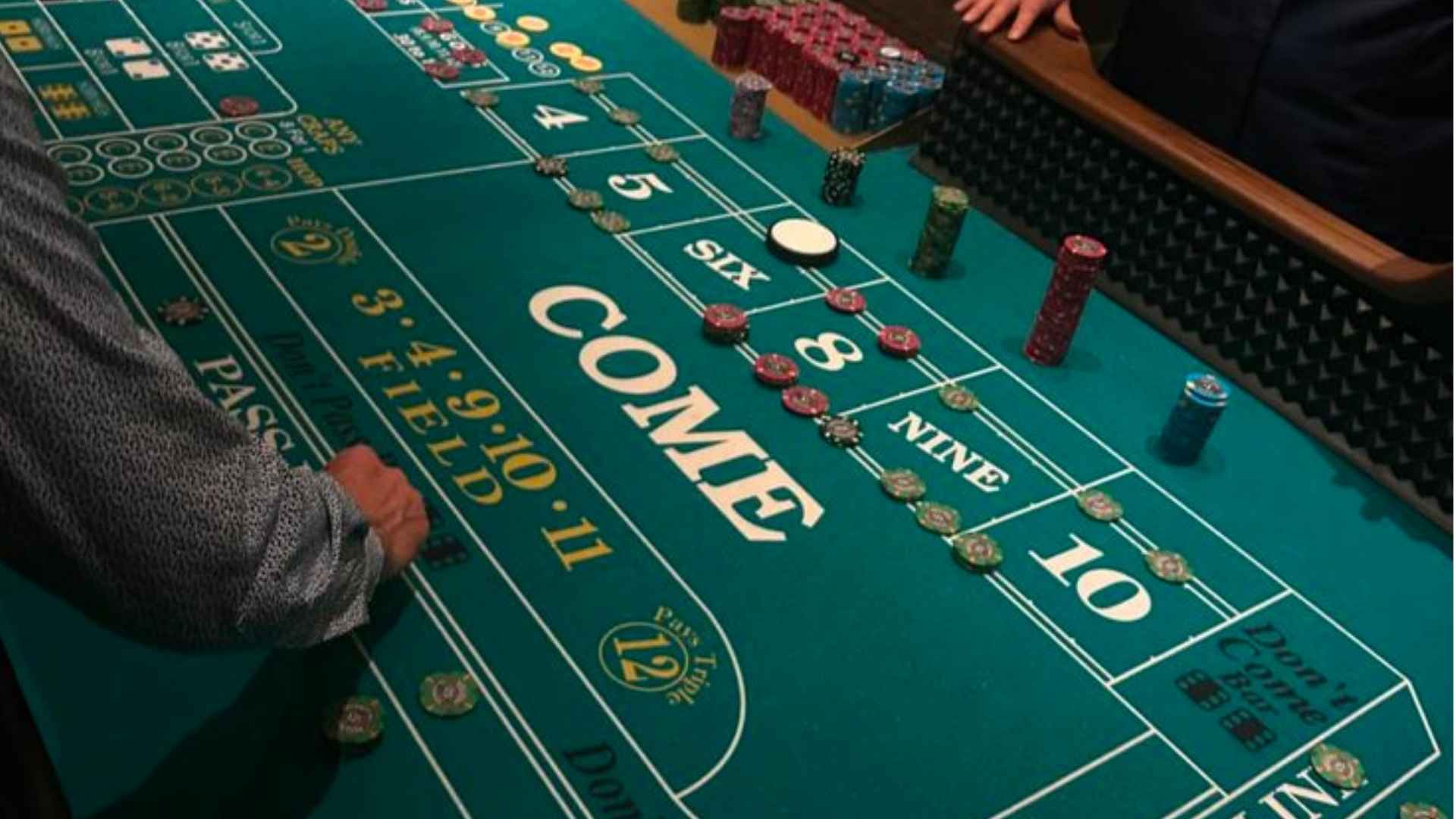
Maintaining authority over the flow of a poker game is essential for any player seeking consistent profitability at the table. When you dictate the pace and structure of betting rounds, your opponents are forced to adapt to your strategy instead of executing their own. However, many players unintentionally surrender this psychological advantage due to repetitive tactical errors that compromise their table presence.
Failing to Standardize Preflop Bet Sizes
Varying your opening bet sizes based entirely on the strength of your cards is a fast way to telegraph your strategy to observant opponents. When you raise larger with premium combinations and smaller with speculative hands, you immediately forfeit the ability to dictate the flow of the game. Consistent sizing helps maintain an unpredictable profile, keeping other players guessing and allowing you to remain in command.
Furthermore, unpredictable bet sizing forces your opponents into defensive positions where they must respect your actions. Once the table notices a pattern in your betting amounts, they will actively exploit this information to strip away your authority. Practicing structured bet sizes on a reliable platform like the login situs m88 portal can help refine your tactical consistency during live sessions.
Playing Too Passively From Out of Position
Position is arguably the most powerful tool for establishing dominance during a poker match. When you consistently call bets from early positions instead of raising, you allow players acting after you to control the size of the pot. This passive approach removes your leverage, leaving you vulnerable to aggressive bluffs and complex post-flop scenarios.
To counteract this leak, you must adopt a more selective starting hand requirement when playing from unfavorable seats. Forcing yourself to take aggressive actions when you enter a pot helps establish boundaries that your opponents will hesitate to cross. Relinquishing the initiative too easily simply invites skilled players to dictate every subsequent street of betting.
Overreacting to Short Term Variance
Allowing emotional frustration to alter your decision-making process is a guaranteed method for losing control over the table dynamics. When a bad beat or card distribution triggers anger, players often shift from strategic calculations to reckless aggression or passive survival. This mental state, widely known as tilt, is easily recognized by seasoned competitors who will quickly exploit your vulnerability.
A controlled table image requires absolute composure regardless of the immediate outcomes of individual hands. Realizing that variance is an inherent part of the game allows you to focus purely on making mathematically sound decisions. Once your opponents realize you are unfazed by temporary setbacks, they will naturally yield the strategic initiative back to you.
Ignoring Individual Player Profiles
Attempting to run the table using a rigid strategy that ignores the specific tendencies of your opponents will often backfire. Table control relies heavily on your ability to adjust your actions based on whether a player is overly aggressive or completely passive. Failing to observe these behavioral nuances means you are essentially playing in the dark, rendering your tactical maneuvers ineffective.
Gathering reliable information on how your opponents react to pressure allows you to construct highly effective counter-strategies. By actively exploiting their specific weaknesses, you solidify your role as the primary driver of the table action. True dominance is achieved not by holding premium cards, but by controlling the human elements around the green felt.